Read more here
about the legal obligation
We have noticed that many businesses and private individuals are not yet fully aware of the changes that have applied to ‘compulsory motor vehicle liability insurance’ since spring 2024.
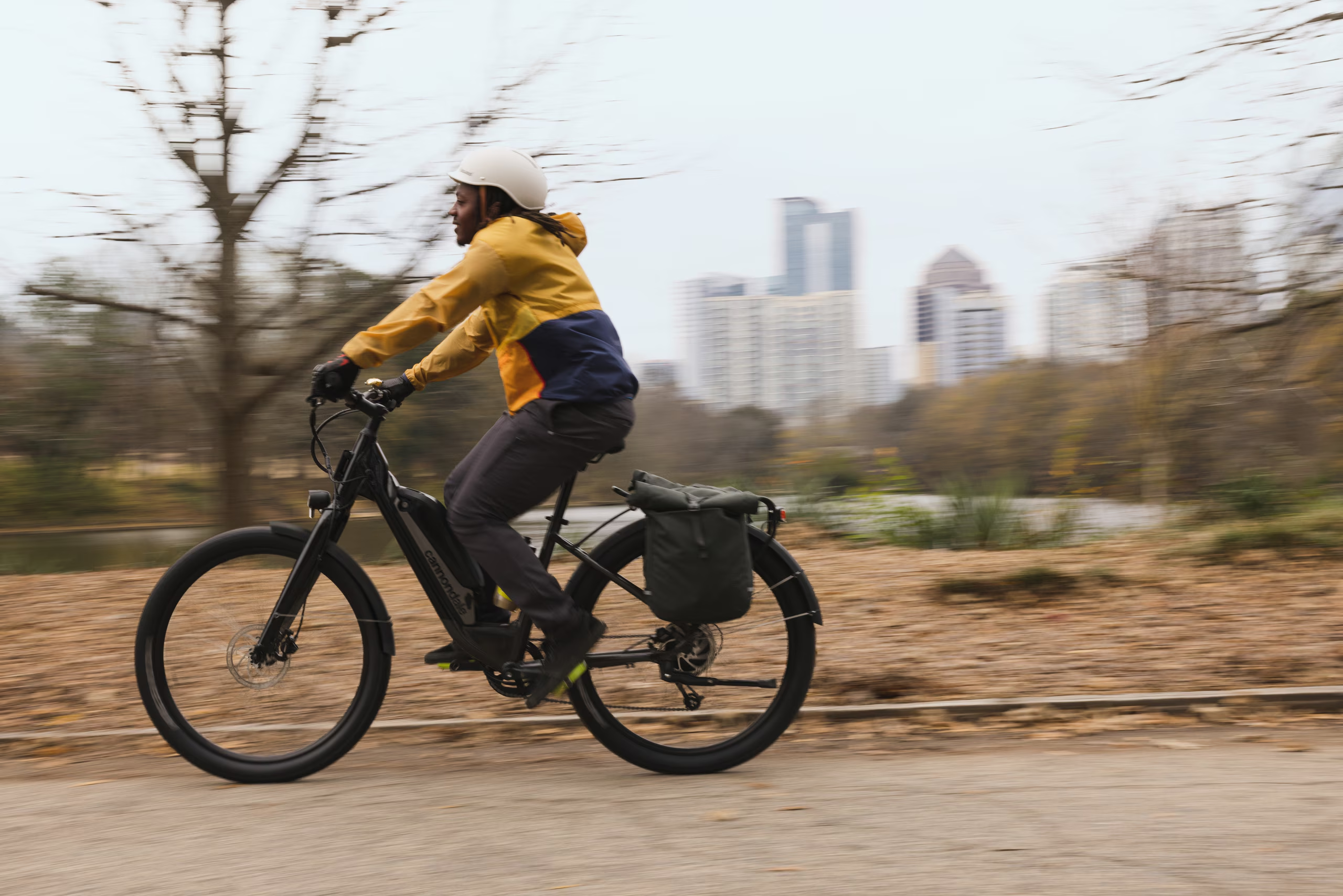
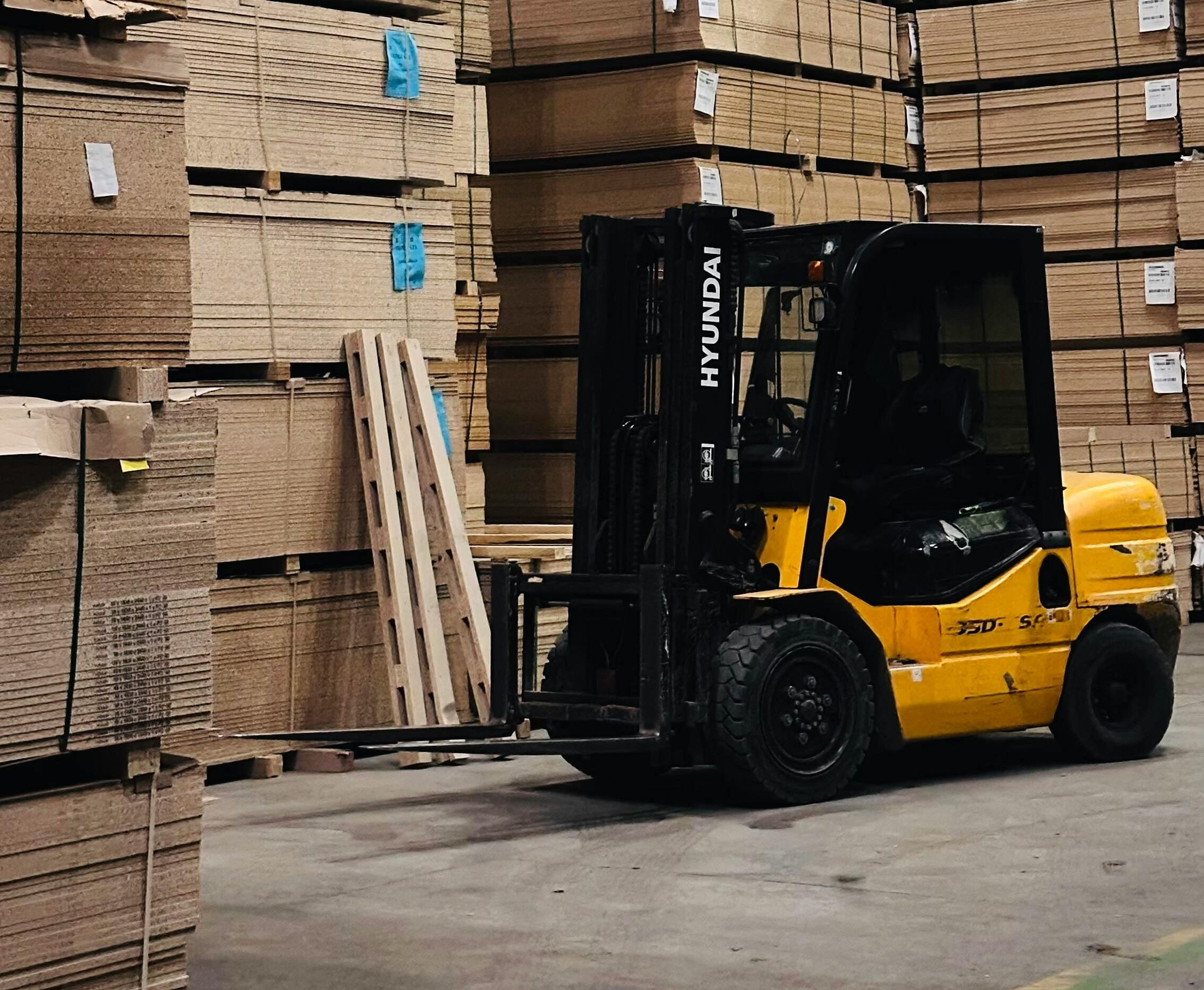
Many vehicles and machines that were previously excluded are now covered by this requirement. These include forklift trucks, internal transport vehicles, construction machinery and electric vehicles that are used solely on private property. This also applies to electric bicycles or scooters that travel faster than 25 km/h.
Due to this lack of clarity, there is a risk of uninsured damage, fines or even seizure.
WHAT EXACTLY HAS CHANGED?
Compulsory third-party liability insurance
Vehicles and machinery that could previously be insured under third-party liability insurance for business operations (such as forklift trucks, construction site machinery and internal transport vehicles) are now subject to the regulations governing compulsory motor vehicle liability insurance. These vehicles and machines must therefore be insured, either under a business liability policy or a motor vehicle liability policy. This applies regardless of where they are used: on private land, company premises, a construction site or public roads.
Revised definition of ‘Participation in traffic’
This definition has been tightened. Vehicles that are driven solely on private property are no longer automatically exempt. Only vehicles that are not legally permitted to be driven on public roads and are used exclusively on private property remain exempt from the insurance obligation.
For ‘light electric vehicles’, the following applies:
- ‘Exempt’: these are only very light and slow vehicles with strict and limited weight-speed combinations and motorised wheelchairs.
- ‘Not exempt’: these include fast e-bikes, souped-up scooters and functional vehicles such as forklift trucks, tractors and bulldozers.